Primary Skin Care in Indore – Dr. Atul Nahar
Are you looking for primary skin care in Indore for itching, rashes, acne, skin irritation, pigmentation, or other skin conditions? Consulting a qualified medical professional can help identify the likely cause of a skin problem and determine the appropriate next steps for diagnosis and treatment.
Skin problems can occur in people of all ages and can be caused by a variety of factors, including inflammation, infection, allergies, environmental exposure, hormonal changes, and other underlying health issues. Some skin problems are temporary, while others may require ongoing medical care.
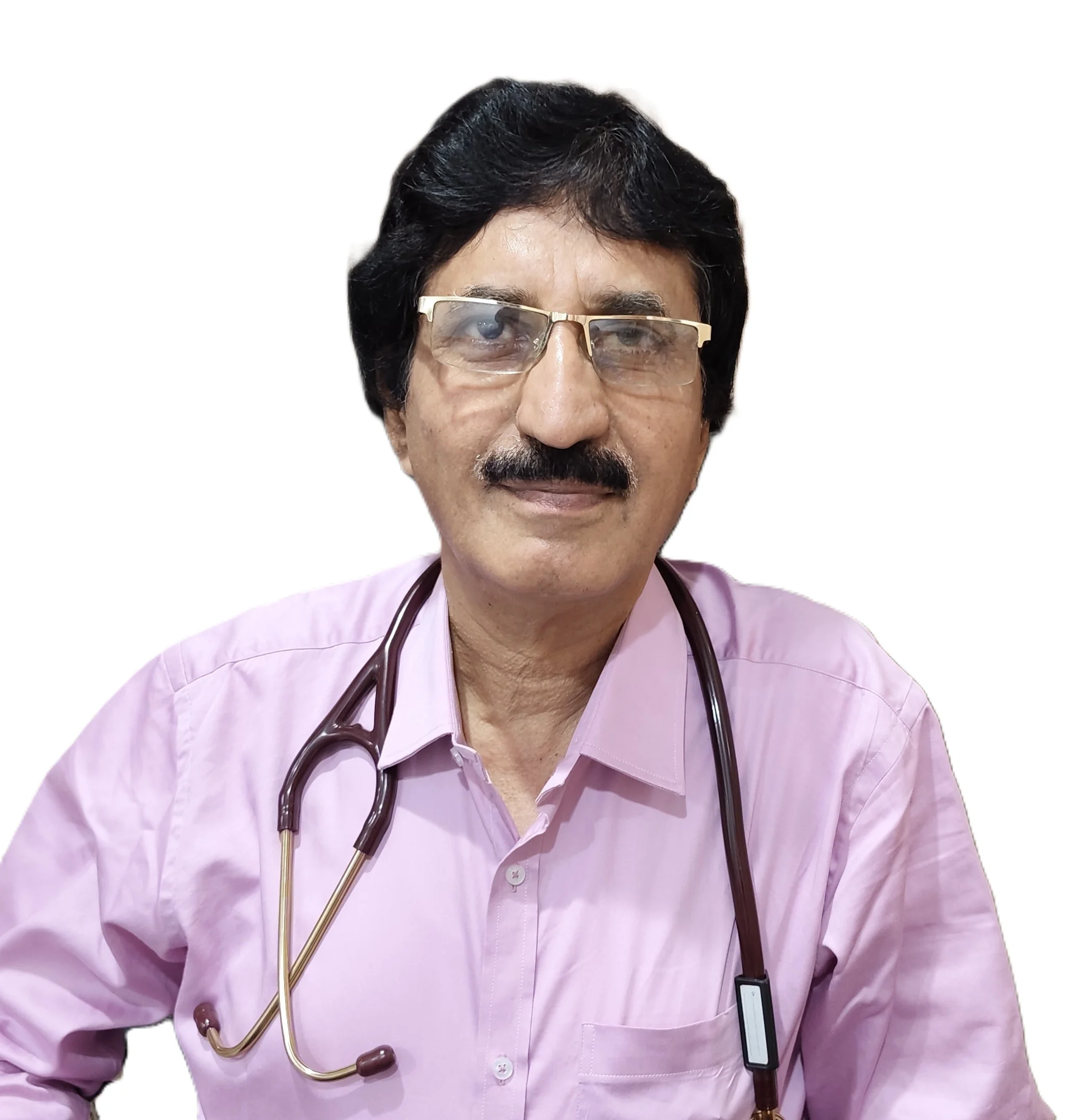
Dr. Atul Nahar may be featured on this page for patients seeking information on initial assessment and treatment guidance for skin conditions, depending on verification of his qualifications, clinical scope, and current practice.
For those looking for a skin disease doctor in Indore, early diagnosis can be helpful if symptoms persist, recur, spread, or interfere with daily activities. The appropriate treatment depends not only on the appearance of the skin problem, but also on the specific condition. This page explains common skin problems, the importance of professional assessment, common treatment methods, preventive skincare, and when to seek medical help.
What is primary treatment for skin disease?
Primary treatment for skin disease involves the initial medical assessment and proper management of common skin symptoms and conditions. The first step is to understand the underlying cause before choosing a treatment.
Symptoms such as itching, redness, dryness, swelling, pimples, flaking, and skin discoloration can be caused by many different conditions. Similar-looking rashes can have different causes, which means using the same medication for every skin problem may be ineffective or even harmful.
Initial medical consultation may include:
* Discussing when symptoms began.
* Understanding the location and pattern of the skin problem.
* Reviewing possible triggers, allergies, and previous treatments.
* Examining the affected skin.
* Reviewing relevant medical history and current medications.
* Recommending tests when medically necessary.
* Suggesting appropriate treatment and skincare practices.
* Arranging for follow-up or referrals if needed.
The purpose of the initial consultation is to develop a tailored care plan. Not every skin condition requires lab testing, prescription medication, or specialist procedures.
Common Skin Diseases and Skin Problems
1. Acne and Pimples
Acne is a common skin condition that can cause pimples, blackheads, whiteheads, and inflamed spots. It often affects the face, chest, shoulders, and back.
Acne can be caused by hormonal changes, excessive oil production, clogged hair follicles, inflammation, and other factors. The appropriate treatment depends on the type and severity of acne.
General care may include gentle cleansing, avoiding harsh scrubbing, and choosing skincare products suitable for acne-prone skin. Persistent, painful, or scarring acne should be evaluated by a qualified doctor.
Avoid squeezing or picking at pimples, as this can increase the risk of inflammation and scarring. 2. Skin Allergies and Allergic Rashes
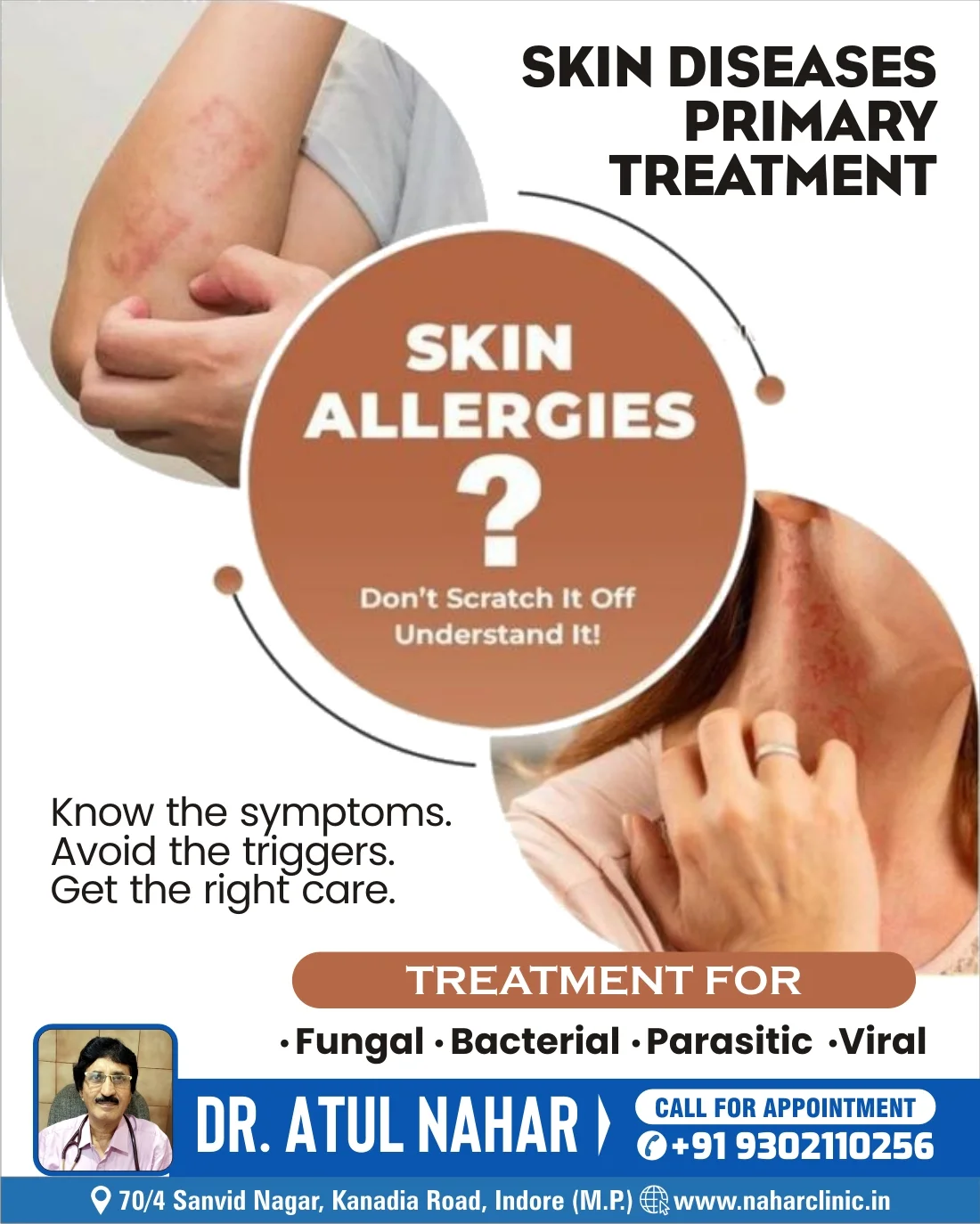
Some skin rashes occur after exposure to substances that irritate the skin or trigger an allergic reaction. Potential triggers may include cosmetics, fragrances, soaps, detergents, jewelry, plants, or workplace supplies.
Symptoms may include itching, redness, swelling, dryness, and a rash at the affected area. Identifying and avoiding triggers is often an important part of management.
A doctor can evaluate symptoms and determine whether the problem is related to an allergic reaction, irritation, infection, or another condition.
If a suspected allergic reaction results in difficulty breathing, swelling of the throat or tongue, fainting, or other signs of a serious systemic reaction, seek emergency care.
3. Fungal Skin Infections
Fungal skin infections can affect various parts of the body, including the legs, waist, body folds, and other skin surfaces. Symptoms may include itching, flaking, redness, or patches with clear edges.
A fungal infection isn't always detected simply by the appearance of a rash. Other conditions may mimic a fungal infection, and improper treatment can delay a proper diagnosis.
Treatment depends on the location, extent, and severity of the infection. A medical professional can determine whether topical or oral antifungal medication is appropriate.
Avoid using combination creams containing steroids for undiagnosed rashes unless specifically directed by a qualified doctor. Such products can worsen or mask some infections.
4. Eczema and Dermatitis
Eczema and dermatitis are terms used to describe inflammatory skin conditions that can cause dryness, itching, redness, flaking, or cracking. Triggers vary from person to person and may include irritants, allergens, environmental conditions, and other factors.
Management may include applying appropriate moisturizers, avoiding known triggers, gentle bathing practices, and, if necessary, prescribed treatment. The appropriate approach depends on the type and severity of dermatitis.
If the rash is painful, spreading, appears infected, or keeps coming back, medical evaluation is recommended.
5. Psoriasis
Psoriasis is a chronic inflammatory disease that can cause raised, clear patches of skin that may crust over. It can affect the scalp, elbows, knees, torso, and other areas.
Its severity and pattern vary from person to person. Some people may also experience changes in their nails or symptoms in their joints.
Psoriasis is not just a hygiene problem and is not spread through casual contact. Treatment depends on the severity of the disease, its location, its impact on daily life, and the person's overall health.
Psoriasis patients who experience joint pain and swelling should discuss these symptoms with a healthcare professional. 6. Pigmentation and Dark Spots
Skin color changes can be caused by many factors, such as acne scars, sun exposure, inflammation, hormonal changes, or other skin conditions.
Proper management depends on the cause. Some types of pigmentation may gradually fade, while others may persist or require specific treatment.
Practicing daily sun protection can help further reduce sun-induced pigmentation. Avoid unverified bleaching products, strong home remedies, and unsupervised prescription creams, especially those containing strong steroids or other medications that can damage the skin if used improperly.
7. Itching and Dry Skin
Itching can be caused by dry skin, dermatitis, infections, insect bites, drug reactions, and other problems. Persistent itching can interfere with sleep and daily activities.
Common remedies include using a mild cleanser, applying a suitable fragrance-free moisturizer, and avoiding baths with very hot water.
If itching is widespread, persistent, unexplained, or associated with other symptoms, a medical examination may be necessary to determine the cause. 8. Hair and Scalp Problems
Itchy scalp, flaking, redness, and hair loss can be associated with a number of conditions. These include dandruff-related inflammation, scalp infections, inflammatory skin conditions, and other hair or scalp conditions.
The correct treatment depends on the underlying cause. Sudden hair loss, patchy hair loss, scalp pain, scarring, or signs of infection should be evaluated by a qualified doctor.
9. Warts and Other Skin Growths
Warts are skin growths that are usually associated with certain types of human papillomavirus. Other skin growths can also appear similar, so diagnosis may be necessary before treatment.
Avoid cutting, burning, or applying harsh chemicals to any unknown skin growth. If the growth changes rapidly, bleeds, hurts, or looks unusual, get it checked.
10. Recurrent Skin Rashes
Recurrent rashes may be linked to continued exposure to an irritant, an inflammatory condition, an infection, or another medical problem. Keeping a record of when the rash occurred, what products were used, and whether anything improved or worsened it can be helpful during your consultation.
Recurrent or treatment-resistant rashes should be investigated and not treated repeatedly with the same medication without confirming the diagnosis.
Consultation with Dr. Atul Nahar, a Skin Disease Doctor in Indore
When seeking primary treatment for skin diseases in Indore, patients should find a qualified healthcare professional who can diagnose their symptoms, explain possible causes, and provide an appropriate treatment plan.
Dr. Atul Nahar may be offered as a point of contact for inquiries regarding the initial assessment of skin problems, depending on verification of his qualifications, current practice location, and clinical scope.
During the consultation, healthcare professionals may ask about:
* The timing and progression of symptoms.
* Whether the skin problem is painful, itchy, swollen, or spreading.
* Previous episodes of a similar condition.
* New cosmetics, soaps, detergents, or skincare products.
* Recent medications or changes in treatment.
* Known allergies and related medical history.
* Symptoms affecting other parts of the body.
* Previous use of creams, tablets, or home remedies.
Based on the diagnosis, the doctor may offer treatment, recommend tests, arrange for follow-up, or refer the patient to a dermatologist or other specialist.
Patients should confirm Dr. Atul Nahar's current consultation address, appointment availability, and services before visiting him.
Frequently Asked Questions (FAQs)
1. Where can I receive primary treatment for skin conditions in Indore?
You can get an initial medical assessment from a qualified healthcare professional. Patients considering a consultation with Dr. Atul Nahar should verify his current practice location, qualifications, and the skin conditions he treats before booking.
2. What is primary treatment for skin conditions?
It is the initial assessment and management of skin symptoms or conditions. This may include examination, advice on skincare, appropriate treatment, testing if needed, follow-up, or referral to a dermatologist.
3. What are the most common skin problems?
Common concerns include acne, dermatitis, fungal infections, itching, dryness, pigmentation, psoriasis, scalp problems, and various types of rashes. The causes and treatments vary for each condition.
4. When should I consult a doctor for a skin rash?
If the rash persists, spreads, returns frequently, is very bothersome, or does not improve with proper care, seek medical advice. Serious symptoms or signs of infection may require immediate evaluation.
5. Can acne be treated with primary medical care?
Many cases of acne can be diagnosed and managed with proper skincare and medical treatment. Persistent, painful, severe, or scarring acne may require further investigation or specialist care.
6. How can I tell if a rash is fungal or allergic?
The appearance of a rash alone cannot definitively differentiate between a fungal infection and an allergic or inflammatory condition. A healthcare professional can examine the affected area and recommend testing if necessary.
7. Is itching always caused by skin allergies?
No. Itching can be caused by dry skin, dermatitis, infections, insect bites, drug reactions, and other conditions. Persistent or unexplained itching may require medical attention.
8. Can I use antifungal cream for any itchy rash?
No. Not every itchy rash is caused by a fungal infection. Improper treatment can delay a proper diagnosis, so it's best to consult a doctor when the cause is unknown.
9. Are steroid creams safe for all skin conditions?
No. Steroid creams have specific uses and can be harmful if used incorrectly, for too long, or under the wrong conditions. Use them only as directed by a qualified doctor.
10. What causes dark spots and skin pigmentation?
Pigmentation can be associated with sun exposure, inflammation, acne scars, hormonal effects, and other conditions. Treatment depends on the cause, and persistent or changing pigmentation should be evaluated.
Skin Disease Primary Treatment in Indore
Skin Disease Doctor in Indore
Skin Problem Treatment in Indore
Skin Rash Treatment in Indore
Skin Allergy Consultation in Indore
Dr. Atul Nahar Skin Treatment
Common Skin Disease Treatment
Acne and Pimple Treatment
Itching and Skin Rash Assessment
Fungal Skin Infection Treatment
Eczema and Dermatitis Care
Psoriasis Assessment
Skin Pigmentation Consultation
Dry Skin and Itching Care
Scalp and Skin Problem Assessment
Skin Infection Evaluation
Primary Medical Consultation for Skin Problems
Skin Disease Diagnosis
Skin Care Advice
Dermatology Referral
Medical Treatment for Skin Conditions
Best Skin Disease Doctor in Indore
Skin Disease Doctor Near Me
Skin Treatment Near Me
Skin Rash Doctor in Indore
Skin Allergy Doctor in Indore
Acne Doctor in Indore
Itching Treatment in Indore
Skin Infection Doctor in Indore
Skin Consultation in Indore
Skin Disease Clinic in Indore
Dr. Atul Nahar in Indore
Skin Problem Consultation Indore
| Tags: | #Primary Skin Care in Indore |


