
Skin Diseases Primary Treatment in Indore
Skin problems can happen at any age and can impact comfort, sleep, self-confidence, work and daily activities. If you have symptoms such as itching, redness, rashes, dryness, scaling, swelling, minor infections or recurring fungal patches, you should not be on medication without knowing the root cause.
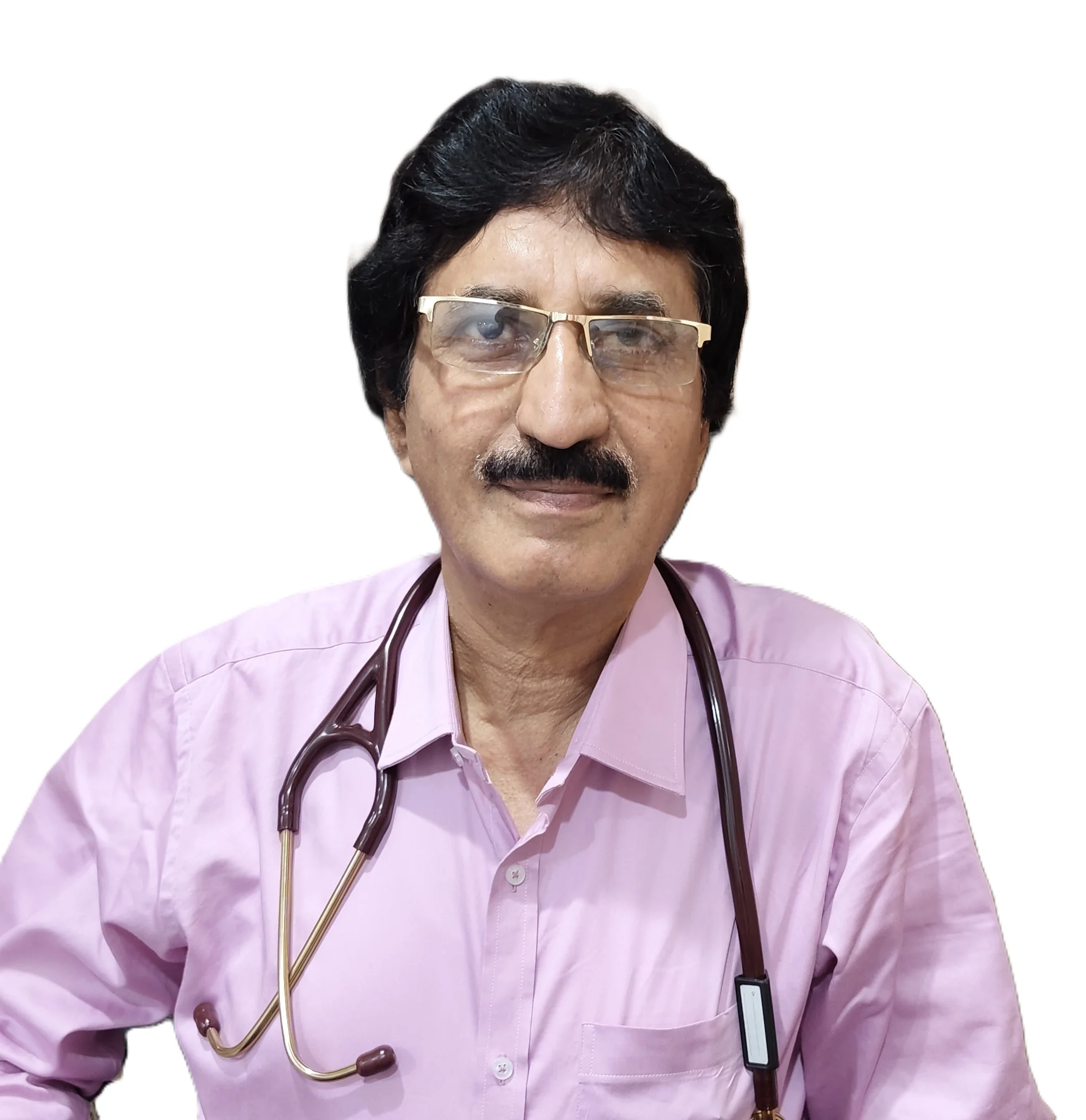
Primary Care for Skin Conditions Dr. Atul Nahar provides primary care and initial medical assessment for skin conditions in Indore at Nahar Clinic. He is a senior family physician with more than 42 years of experience. When he looks at common skin problems, he considers the general health of the patient, what medications they take, allergies, lifestyle, age, diabetic status and other medical conditions.
Primary treatment is suitable for the initial management of many common or uncomplicated skin problems. Patients who need advanced testing, specialised procedures or long-term dermatological treatment are referred to an appropriate skin specialist.
The primary treatment for skin conditions involves:
Primary skin care is the initial medical evaluation of a new, mild or common skin problem. The aim is to understand the symptoms, establish the likely nature of the problem, initiate appropriate basic care and determine whether a specialist consultation is needed. A doctor in Indore may evaluate the following, during a consultation for the primary treatment of skin conditions:
When the symptoms started
If the condition is spreading
The appearance and site of affected skin
itching, pain, burning, swelling or discharge
Recent use of soaps, cosmetics, perfumes, drugs or chemicals.
Heat, sweat, dust, pets, plants or infected persons
History of allergies, diabetes, high blood pressure or asthma
Treatments or home remedies used previously
If other family members have similar symptoms
Many skin conditions can look alike at the beginning. For example, ringworm, eczema, contact dermatitis and other rashes can sometimes look similar. Having a proper clinical examination is much more reliable than picking treatment based on pictures or internet searches.
Nahar Clinic Skin Disease Evaluation
For an initial assessment of a wide range of common skin related issues, you can consult Dr. Atul Nahar.
Skin Rashes
Skin rashes may appear as red patches, discolored patches, bumps, swelling, scaling, blisters, or a burning sensation. Possible causes include allergies, infections, heat, medications, insect bites, friction or inflammatory skin conditions.
Medical consultation is particularly important if the rash is painful, spreading rapidly, accompanied by fever, or involving sensitive areas such as the eyes, lips, mouth or genitals.
Dry And Itchy Skin
Itching may be due to dryness, irritation, weather changes, allergies, eczema, fungal infections or an underlying health problem. Scratching too much can damage the skin and raise the risk of infection.
In some cases gentle skin care can relieve mild itching. If symptoms persist, recur, interfere with sleep or cover large areas of the body, a medical examination is advised.
Fungal skin infection
Hot, humid weather is a breeding ground for fungal infections. They can affect the body, the feet, thighs, scalp or nails. Ringworm usually causes itchy, round or ring-shaped rashes, but can look different depending on skin tone and where it occurs.
A first assessment can help determine if the symptoms are an indication of a fungal infection and whether a visit to a dermatologist, medication or further testing is needed.
Dermatitis, contact
Contact dermatitis is a reaction of the skin to an irritant or to an allergen. Typical reasons can include:
Soaps and detergents
Cosmetics and perfumes
Jewellery
Hair products
Cleaning products
some fabrics or some shoes
Substances in the workplace
Symptoms may be severe itching, rashes, dryness, cracking, tenderness, burning or swelling. If the contact dermatitis is persistent, recurrent or severe, further investigation may be required to determine the cause.
Eczema-like skin reaction
Eczema usually makes the skin dry, itchy, inflamed, scaly or cracked. Symptoms can disappear and then return. Scratching can worsen the condition and damage the skin’s barrier.
Early management may include identification of triggers, gentle skin care, symptomatic control and recognition of indications for specialist treatment.
Minor bacterial skin infections
Bacterial infections can develop from cuts, scratches, bites from insects, broken skin, or untreated rashes. Signs to look for include:
Redness increasing
Heat and swelling.
Tenderness or soreness
Discharge / pus
Crusts (Yellow or Gold)
Unpleasant odor
General feeling sick or fever
The infection can develop if the proper medical treatment is not given, so the symptoms should be checked out right away.
Mild acne and skin breakout
Acne causes blackheads , whiteheads , pimples , inflamed lumps or oily skin . Getting assessed early can help you find out what's going on and get you started on treatment. If painful cysts, severe acne, deep scarring, persistent lesions despite repeated treatments or significant emotional distress is present, consultation with a dermatologist is generally indicated.
Local skin reactions and insect bites
Insect bites can cause burning, redness, swelling and itching of the skin. Most mild reactions will clear up with proper care . However if pain worsens , if redness spreads , if there is discharge from the wound , if fever develops or if swelling becomes severe it could be a sign of an infection or a serious allergic reaction .
Minor Injuries & Skin Irritations
Small cuts, scratches, cracked skin or abrasions may require cleaning, assessment of the wound, prevention of infection and monitoring. Diabetics especially need to be careful because small injuries may take a long time to heal or may become infected.
Skin Issues in People With Diabetes
Diabetes can affect circulation, immunity, sensation, and the wound healing process. The following problems may happen in those who have uncontrolled blood sugar:
Dry and itchy skin
Repeated fungal infections
Skin bacterial infections
Cuts heal slowly
Foot ulcers
Chronic boils or spots
More likely to develop complications after minor injuries
Dr. Atul Nahar has a special interest in diabetes management that enables him to discuss blood sugar control, medications and health risks, along with assessing skin-related symptoms.
If you have diabetes and notice any wounds, blisters, redness, swelling, discharge, or signs of skin infection (especially on your feet), see a doctor right away.
Significance of a Correct Diagnosis
A rash is not a disease in itself, but a visible manifestation. Treatment can vary widely with the condition.
For example:
Fungal infections might need antifungal treatment.
Allergic dermatitis may require avoidance of the trigger and anti-inflammatory care. Bacterial infections may require antimicrobial therapy.
Dry skin can be improved by barrier repair and moisturization.
Drug-induced rashes may need an immediate review of current medications.
Persistent or unusual lesions may require dermatological evaluation.
The wrong cream can alter the appearance of a condition but not resolve the underlying issue. If used inappropriately, combination creams that contain corticosteroids can worsen ringworm infections, therefore you need a professional assessment before using combination creams.
The risks of self-treating skin conditions
Patients often use drugs prescribed by friends or local shops, or found on social media or old prescriptions. This can slow down the accurate diagnosis and cause unwanted side effects. What to stay away from:
Using combination creams with steroids without the advice of a doctor
Sharing prescription creams with others
antibiotics over the counter
repeated application of antiseptics to distressed skin.
Using strong home remedies or harsh chemicals
Blisters that have popped or scratched
Discontinuing prescribed treatment when symptoms improve
Using the same prescribed medicine for a different type of rash again
Even if the itching and visible symptoms have gone away, some fungal infections must be treated for the entire course of medication.
What to expect from a skin consultation
Here is how a consultation for the first treatment of skin conditions in Indore may go:
1. Medical history review
The doctor may ask when the condition started, what other symptoms are present, recent exposures, allergies, past illnesses, medications, and medical conditions. 2. Physical Examination (PE)
The size, borders, colour, texture, extent of spread, crusting, moisture, discharge, tenderness or signs of infection can be used to assess the area involved.
3. Assessment of Additional Health Factors
Blood sugar, fever, reactions to medications, immune status, occupational exposures and hygiene-related issues are also accounted for if necessary.
4. Treatment Plan to be Started
What initial treatment is appropriate will depend on the likely cause as will instructions for skin care, advice about triggers (things that worsen the condition) and a follow-up plan.
5. When to Refer 6.
Referral to a dermatologist may be recommended if:
No conclusive diagnosis
The condition is severe or generalized in the body
Symptoms are intermittent
Initial treatment has failed
The hair, scalp or nails are severely affected
A lump or mole looks suspicious
Special testing needed
You need a biopsy or procedure .
The referral model helps patients to get the right level of care and realistic expectations for treatment outcomes.
When should I see a doctor? Consult a doctor in the following cases:
Persistent or recurrent itching
A rash that won't heal
Round, scaly or spreading patches
Recurrent fungal infections
Skin that is painful or swollen
Pus, oozing or crusted
skin symptoms + fever
Rash that develops after starting a new medication
Person with diabetes with recurrent infections
Skin that is cracked, bleeding or not healing
Skin irritation that disrupts sleep or daily activities
Any new or unexplained changes in the skin.
When does one need urgent medical care?
If you have a rash with any of the following, get emergency or immediate help:
Shortness of breath
A tightness in the throat or chest
Swelling of lips, tongue, face or throat
Extreme dizziness or passing out
Blistering or peeling skin quickly
high fever accompanied by rash throughout the body
Confused or very sleepy
Intense pain
Affects the eyes, mouth or genital region
Sudden swelling and breathing problems could be a sign of a serious allergic reaction that needs urgent hospital treatment.
Basic measures for skin care
General skin care advice, and medical treatment, may include:
Maintain cleanliness and dryness of the affected area.
Use gentle, fragrance free cleansers.
Avoid rubbing and scratching the skin.
Dress in loose, breathable clothing.
Do not share personal items such as towels, razors, clothing, and bedding with other people.
If irritation occurs, discontinue use of the new cosmetic product.
Apply a suitable product to rehydrate your skin.
Wash your hands after you touched the thing that you touched.
Take exactly as prescribed by your doctor.
Return for follow-up if symptoms persist.
You can help stop the spread of ringworm by keeping your skin dry and by not sharing personal items.
Why would you choose Dr. Atul Nahar at Nahar Clinic?
Indore patients in need of a family physician for skin issues can get treatment taking into account the skin problem and the medical history of the patient. Some of the major elements of the clinic’s operations are:
42+ years of experience in family medicine
Pediatric and senior and adult primary care
Screening for diabetes and high blood pressure (hypertension)
Medication and allergy review
Clear information on treatment and preventive measures.
Follow-up care recommendations
Referral to a dermatologist in a timely manner when indicated
Responsible, evidence-based primary care
FAQs
Yes, a family doctor can treat skin conditions initially.
Yes. Family physicians can assess many common or simple skin problems such as itching, dryness, mild rashes, suspected fungal infections, mild allergic reactions and early signs of skin infections.
Doctors can start the right initial treatment, talk about related medical problems, and refer the patient to a dermatologist if special testing or treatment is needed.
What skin problems can be treated first at Nahar Clinic?
We can offer an initial assessment for common rashes, itching, dry skin, suspected fungal infections, contact irritation and mild symptoms of things like eczema. We can also help with minor bacterial infections, insect bites and simple wounds.
The evaluation will determine the final course of treatment. If the condition is severe, persistent, widespread or unusual, you should see a dermatologist.
Is every round patch on the skin a fungus?
No. Ringworm can cause a circular or ring-like rash, but other conditions can look similar. Fungal infections can look like other conditions such as eczema, psoriasis and allergic reactions.
Use of antifungal or steroid creams without knowing the cause can delay proper treatment. If the condition is not clear, a medical work-up is recommended.
Do steroid creams make fungal infections worse?
Yes. Steroid creams can temporarily reduce redness, but they can also spread the fungal infection or make it difficult to diagnose properly. The CDC warns people not to use corticosteroid creams if they’re misdiagnosed, as they can worsen ringworm.
Patients should not use combination creams with steroids without medical advice.
## Why do fungal infections come back?
Fungal infections can return because of incomplete treatment, sweating, tight clothing, sharing towels, wearing contaminated footwear, uncontrolled diabetes, reinfection from another person or pet, or using the wrong creams.
If symptoms persist or recur, you should be assessed by a doctor, as it may be necessary to confirm the diagnosis and change the treatment plan.
Does diabetes make skin infections worse?
Yes. diabetes can increase the risk of infection and slow down wound healing especially if blood sugar is not well controlled. Small cuts, cracks, fungal infections or foot wounds can become more serious.
People with diabetes should see a doctor right away if they have redness, swelling, pus or watery discharge, pain, or wounds that do not heal.
When to take your child to the doctor for a skin rash If the rash spreads, lasts for days, hurts or itches, is accompanied by fever, pus or crusting, prevents eating or doing daily activities, or appears after starting a new medication, a child should be seen by a health care provider.
Seek immediate medical attention if you develop signs of illness including difficulty breathing, facial swelling, unusual lethargy, blistering, peeling skin or a rash that does not fade when pressed (non-blanching).
Is itching always due to skin allergy?
No. Itching can be caused by dry skin, eczema, fungal infections, insect bites, drug reactions, irritation, underlying medical conditions or other reasons.
The pattern of the rash, the duration, the body part involved, and the skin changes seen aid in the diagnostic assessment.
How do I prevent fungal skin infections?
Keep skin clean and dry. Change out of wet clothes immediately. Wear breathable clothing. Do not share towels or razors. Wear footwear in damp areas. Wash sports gear regularly. Complete the full course of treatment prescribed by your doctor.
If you observe any skin problems in your pets, bring them to a veterinarian as some fungal infections are transmissible from animals to humans.
When should you see a dermatologist?
If it is a bad case, if it keeps coming back, if it doesn’t get better with the first line of treatment, if it involves a lot of hair or nail problems, if special testing is needed or if the cause is not known, you should see a dermatologist.
A dermatologist should evaluate suspicious moles, non-healing wounds, dark skin lesions, blisters that cover large areas of the body, or any issues that require medical procedures.
Schedule an Appointment at Nahar Clinic.
Never repeat self-medication for constant itching, spreading rashes, fungal patches, skin allergies and infected wounds.
For initial treatment of skin conditions consult Dr Atul Nahar, Nahar Clinic, Indore. You will be given a full initial assessment, practical advice on skin care, appropriate treatment in the early stages and, if necessary, a timely referral to a specialist dermatologist.
Primary Skin Treatment in Indore, Skin Rash Treatment in Indore, Fungal Infection Treatment in Indore, Skin Allergy Treatment in Indore, Family Physician for Skin Problems in Indore, and Skin Infection Treatment in Indore.
| Tags: | #Skin Diseases Primary Treatment in Indore, # Skin Rash Treatment in Indore, #Fungal Infection Treatment in Indore |


