| Category | Reset Onset Diabetes Management |
Receiving a recent diabetes diagnosis can feel confusing and stressful. Many patients are unsure what their blood sugar reports mean, whether medicines are necessary, what they should eat and how the condition may affect their future health.
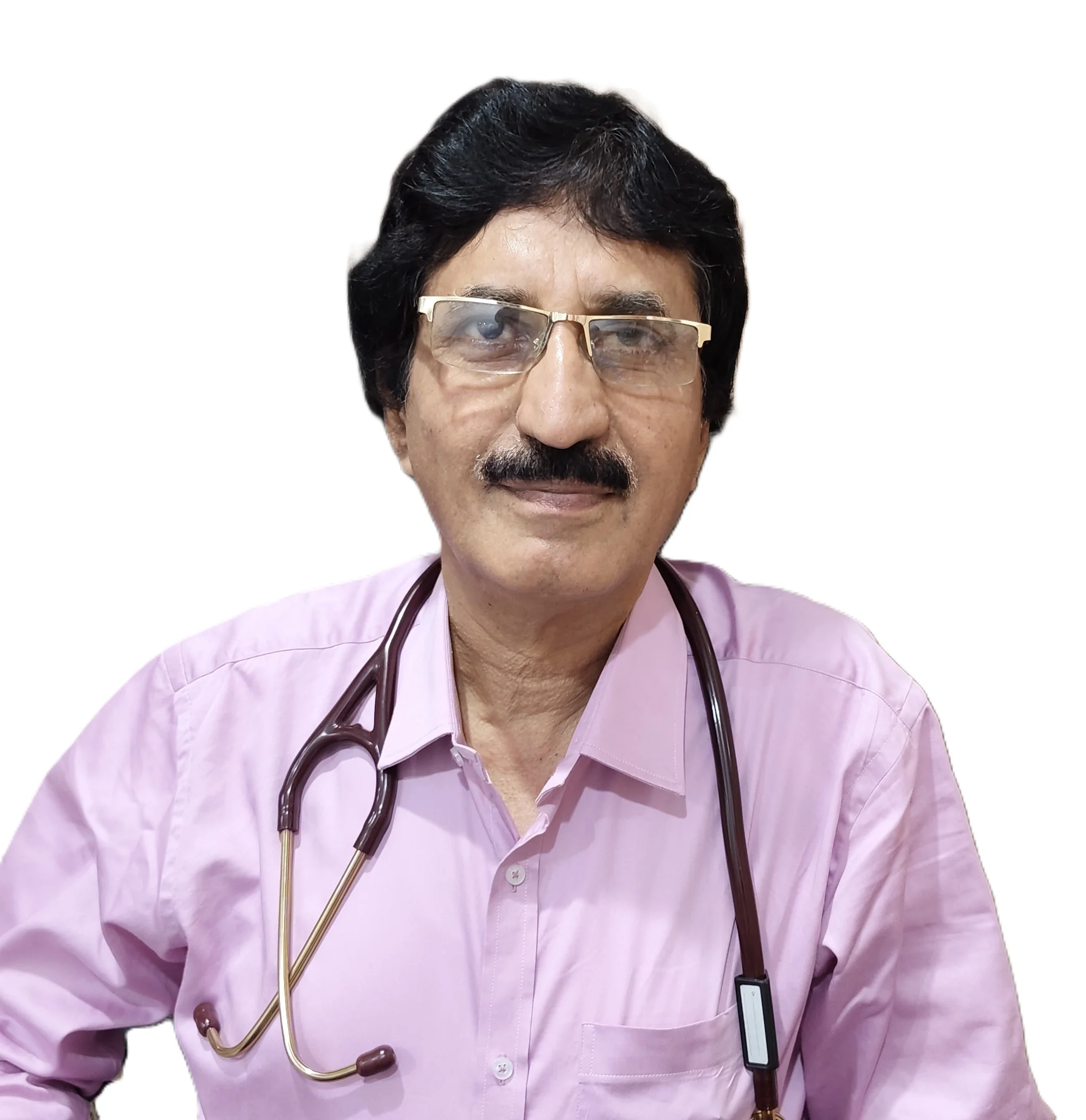
Dr. Atul Nahar provides Recent Onset Diabetes Management in Indore for adults who have recently been diagnosed with diabetes, have repeatedly elevated blood sugar readings or require further evaluation after an abnormal health check-up.
With 42 years of clinical experience as a senior family physician and a special interest in diabetes and hypertension, Dr. Atul Nahar provides personalised guidance based on the patient’s blood glucose reports, symptoms, age, body weight, family history, lifestyle, current medicines and associated health conditions.
Recent onset diabetes should be addressed promptly. Effective management during the early period after diagnosis can help patients understand the condition, establish healthier habits, select suitable treatment and reduce the risk of future complications. Research summarised by the National Institute of Diabetes and Digestive and Kidney Diseases indicates that less effective blood glucose management during the first year after diagnosis is associated with a higher risk of later complications and mortality.
Patients searching for recent onset diabetes management near me in Indore, newly diagnosed diabetes treatment in Indore, new diabetes patient care in Indore or early type 2 diabetes management in Indore can consult for a detailed assessment and individualised care plan.
Recent onset diabetes generally refers to diabetes that has been identified within the recent past. The diagnosis may have been made during a routine health examination, after symptoms developed or while the patient was being evaluated for another condition.
A person may require recent onset diabetes management after:
The purpose of early management is not only to reduce a high glucose reading. It is to confirm the diagnosis, identify the probable type of diabetes, assess related health risks and begin a sustainable treatment plan.
A newly recorded high blood sugar level does not provide the complete clinical picture.
The doctor may need to determine:
Current diabetes standards recommend a comprehensive initial medical evaluation that includes assessment of diabetes type, current complications, associated conditions, psychosocial factors and the individual’s overall ability to manage treatment.
Diabetes may be detected after a person experiences symptoms, but many patients have no obvious warning signs.
A diagnosis may follow:
Type 2 diabetes symptoms can develop gradually and may remain unnoticed for a long time. Type 1 diabetes symptoms may appear more quickly and can include nausea, vomiting, abdominal pain or diabetic ketoacidosis.
Patients should not assume that diabetes is mild simply because they have no symptoms.
Blood sugar testing is central to diabetes diagnosis, but reports must be interpreted in the context of the patient’s symptoms and medical condition.
Tests commonly considered include:
The correct test depends on why diabetes is suspected and whether the patient has clear symptoms.
A fasting blood sugar test is performed after avoiding food for the instructed fasting period, commonly at least eight hours.
It can help identify:
Patients should follow laboratory instructions carefully because food, sugary drinks or improper fasting may affect the result.
A post-meal test helps assess how the body handles glucose after eating.
The result can be affected by:
Patients should follow the advised testing interval rather than checking at an arbitrary time.
HbA1c provides an estimate of average blood glucose over the previous two to three months.
It may help:
However, HbA1c may be less reliable in people with certain forms of anaemia, haemoglobin disorders, pregnancy, kidney disease, recent blood loss or other medical conditions. The result must therefore be interpreted clinically.
Not always.
When a patient does not have clear symptoms, repeat testing may be required to confirm the diagnosis. Acute infection, steroid treatment, severe stress or another illness may also temporarily increase blood sugar.
Patients should avoid beginning or changing long-term medication only on the basis of one home glucometer reading.
Most adults with recent onset diabetes have type 2 diabetes, but not every adult with high blood sugar has the same condition.
Possible forms include:
Type 1 diabetes develops when the body produces little or no insulin and requires insulin treatment. Type 2 diabetes involves impaired insulin use and may also involve reduced insulin production over time.
Further evaluation may be needed when a patient has:
Type 1 diabetes requires daily insulin. Delaying insulin in a person with insulin deficiency can be dangerous.
Dr. Atul Nahar may review several aspects of the patient’s health before recommending treatment.
The initial consultation may include:
The goal is to manage the whole patient rather than treating only a number on a report.
Additional tests may be recommended depending on the patient’s age, symptoms and medical history.
These may include:
Diabetes can affect the heart, kidneys, nerves, eyes and feet. Early screening and regular monitoring can help identify risks and guide preventive care.
Not every person requires every investigation immediately. The test plan should be individualised.
Recent onset diabetes treatment depends on several factors.
These include:
Current treatment standards emphasise personalised medication selection rather than using the same medicine for every patient.
Some patients with mildly elevated glucose may initially be advised structured lifestyle changes with close monitoring. Many patients with confirmed diabetes will also require glucose-lowering medicine.
Medicine may be more likely when:
The decision should be made after medical assessment.
Insulin may be considered when:
Starting insulin does not necessarily mean that the patient has failed. In some situations, it is the safest and most effective treatment.
Patients should never start, stop or adjust insulin without professional guidance.
Lifestyle improvement is an essential part of recent onset diabetes care.
A successful management plan usually combines healthy eating, regular physical activity, medical support and emotional support.
A diabetes-friendly diet should be balanced, practical and suitable for long-term use.
General principles may include:
A patient does not always need to eliminate rice, roti, fruit or all carbohydrates. The quantity, quality, combination and timing of food are important.
Extreme diets may be difficult to maintain and can sometimes cause nutritional imbalance or low blood sugar when combined with medicines.
Patients should pay particular attention to:
Replacing sugary drinks with water or unsweetened alternatives can be a practical early step.
Regular activity can help improve insulin sensitivity, body weight, blood pressure and overall cardiovascular health.
Depending on medical fitness, activities may include:
NIDDK recommends healthy meals, regular physical activity, adequate sleep and avoiding tobacco as important parts of living well with diabetes.
Patients with chest pain, severe breathlessness, foot ulcers, advanced joint disease or another significant condition should consult the doctor before beginning a new exercise routine.
For patients who are overweight, gradual and sustained weight reduction may improve insulin sensitivity and blood glucose.
Healthy weight management can involve:
Rapid weight-loss products and unverified supplements should be avoided.
Poor sleep and chronic stress can make diabetes self-management more difficult.
Patients may benefit from:
Blood glucose monitoring may help assess how food, activity, medicines and illness affect sugar levels.
The required frequency depends on:
Not every newly diagnosed patient needs to check sugar many times a day.
Monitoring should have a clear purpose and should be reviewed during follow-up.
A useful record may include:
Diabetes self-management education can help newly diagnosed patients develop practical skills and confidence.
Blood sugar goals are not identical for every person.
Targets may vary according to:
Patients should follow the targets provided by their treating doctor rather than comparing results with another person.
Some diabetes medicines and insulin can cause hypoglycaemia.
Possible symptoms include:
Severe hypoglycaemia may cause seizures or unconsciousness and requires urgent care.
Patients receiving medicines that can cause low sugar should ask the doctor:
Severe hyperglycaemia can sometimes lead to diabetic ketoacidosis or hyperosmolar hyperglycaemic state, which are potentially life-threatening emergencies.
Seek urgent hospital care for:
Do not wait for a routine clinic appointment when these symptoms are present.
Diabetes care involves more than glucose management.
Blood pressure and cholesterol can significantly influence the risk of:
WHO diabetes-care targets include good control of both blood glucose and blood pressure, along with suitable cardiovascular-risk treatment for eligible patients.
The doctor may assess:
Diabetes may gradually affect multiple organs, sometimes before symptoms are obvious.
An eye examination may be advised to check for diabetic retinopathy.
Patients should seek prompt assessment for:
Kidney assessment may involve:
Patients should inspect their feet regularly for:
Avoid walking barefoot where injury is possible.
Report:
Early evaluation can help identify possible nerve involvement.
A new diabetes diagnosis may cause:
Diabetes is not a personal failure. Genetics, body metabolism, age, weight, activity and several other factors can contribute.
Family members can support the patient by:
CDC guidance emphasises that emotional support is an important part of managing a new type 2 diabetes diagnosis.
Patients may unintentionally make management more difficult by:
A structured and personalised plan is safer than frequent changes based on unverified advice.
Dr. Atul Nahar is a senior family physician with 42 years of clinical experience and a special interest in diabetes and hypertension management.
Patients may consult him for:
His approach focuses on helping patients understand diabetes and begin a practical long-term management plan.
Recent onset diabetes refers to diabetes that has been diagnosed within the recent past, often after an abnormal blood test, routine health check-up or development of symptoms.
Dr. Atul Nahar provides recent onset diabetes management in Indore. He is a senior family physician with 42 years of clinical experience and a special interest in diabetes and hypertension.
Not always. Repeat or additional testing may be advised, particularly when the patient has no clear symptoms.
Common tests include fasting plasma glucose, HbA1c, random plasma glucose and oral glucose tolerance testing in selected situations.
HbA1c estimates average blood glucose over approximately the previous two to three months.
No. Although type 2 diabetes is common in adults, type 1 diabetes and other forms may also occur. The doctor should evaluate the clinical presentation.
Some patients with mild glucose elevation may initially improve with structured lifestyle changes. Many patients also require medicine. The decision depends on reports, symptoms and overall health.
No. Insulin is required for type 1 diabetes and may be needed in selected patients with severe glucose elevation, ketones, significant symptoms, pregnancy or another clinical indication.
No. Normal readings may indicate that the treatment is working. Do not stop or change medicine without consulting the doctor.
Some people with early type 2 diabetes may achieve remission through significant and sustained weight loss and comprehensive management, but this is not guaranteed. Ongoing monitoring remains important.
A balanced plan may include controlled portions, vegetables, protein, fibre-rich foods and reduced sugary drinks or processed snacks. Personalised guidance is more useful than eliminating every carbohydrate.
Fruit does not always need to be eliminated. Type, portion, timing and overall meal balance matter. Fruit juice and sweetened fruit drinks may raise glucose more quickly.
Yes. Regular walking may improve insulin sensitivity and support blood sugar, weight and cardiovascular health when medically suitable.
The frequency depends on the medicine, glucose levels, insulin use and risk of low blood sugar. Follow the schedule advised by the doctor.
The interval depends on current control and treatment changes. The doctor will recommend an appropriate follow-up schedule.
No. Many people with type 2 diabetes may have no noticeable symptoms when the condition is detected.
Yes. Physical or emotional stress can temporarily increase glucose and may also make healthy eating, sleep and medicine adherence more difficult.
Diabetes and hypertension commonly occur together and can increase the risk of heart, kidney and blood-vessel complications.
Bring blood sugar and HbA1c reports, previous prescriptions, medicine details, blood pressure records and information about symptoms and family history.
Repeated vomiting, abdominal pain, rapid breathing, severe dehydration, confusion, extreme drowsiness, seizures or unconsciousness require immediate hospital care.
Early action after a diabetes diagnosis can help patients understand their condition, improve daily habits and begin appropriate treatment before glucose-related risks increase.
Consult Dr. Atul Nahar for Recent Onset Diabetes Management in Indore
Prediabetes Management in Indore | Prediabetes Treatment Near Me in Indore | Newly Diagnosed Diabetes Care in Indore | Early Stage Diabetes Treatment in Indore | Blood Sugar Management in Indore | Diabetes Physician in Indore | Family Physician for Diabetes in Indore | Diabetes Consultation in Indore | Diabetes Check-up in Indore | Diabetes Screening in Indore | Blood Sugar Test in Indore | HbA1c Test Consultation in Indore | High Blood Sugar Treatment in Indore | Borderline Diabetes Treatment in Indore | Early Type 2 Diabetes Management in Indore | Lifestyle Management for Diabetes in Indore | Diabetes Diet Guidance in Indore | Diabetes Monitoring in Indore | Blood Glucose Monitoring in Indore | Fasting Blood Sugar Consultation in Indore | Post-Meal Blood Sugar Consultation in Indore | Diabetes Risk Assessment in Indore | Preventive Diabetes Care in Indore | Diabetes Management for Adults in Indore | Senior Citizen Diabetes Care in Indore | Diabetes and Hypertension Management in Indore | Experienced Diabetes Doctor in Indore | Diabetes Doctor Near Me in Indore | Diabetes Physician Near Me in Indore | Prediabetes Doctor Near Me in Indore | Blood Sugar Doctor Near Me in Indore | Family Doctor for High Blood Sugar in Indore | Dr. Atul Nahar Diabetes Management | Dr. Atul Nahar Diabetes Physician in Indore | Dr. Atul Nahar Prediabetes Management | Dr. Atul Nahar Early Diabetes Care | Dr. Atul Nahar Blood Sugar Consultation | Early Diabetes Symptoms Treatment in Indore | Frequent Urination Diabetes Check-up in Indore | Increased Thirst Diabetes Consultation in Indore | Fatigue and High Blood Sugar Doctor in Indore | Slow Wound Healing Diabetes Doctor in Indore | Family History of Diabetes Check-up in Indore | Overweight Diabetes Risk Consultation in Indore | Diabetes Prevention Consultation in Indore | Early Diabetes Diagnosis in Indore | Complete Diabetes Care in Indore


